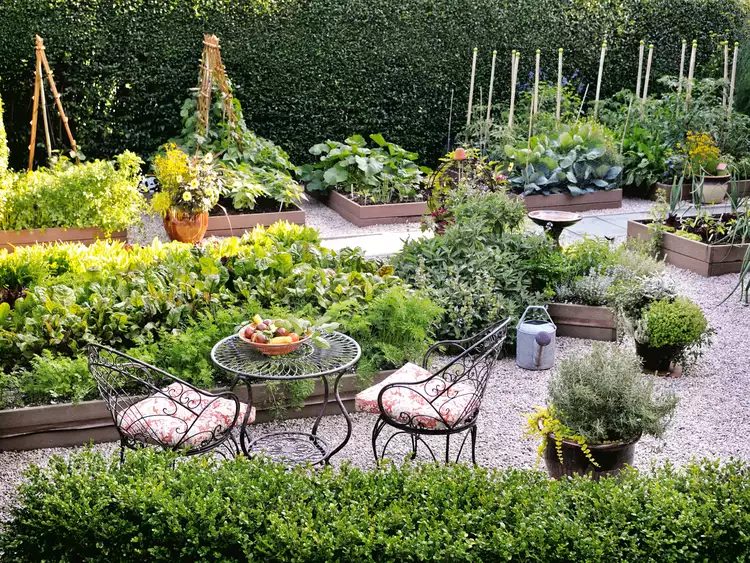
Gardeners can find an assortment of delicious vegetables for raised beds, but some veggies do better in small spaces than others. Sprawling pumpkins and tall corn plants are often too large for raised gardens, but small crops and edible plants with long tap roots and a fondness for warm, well-draining soil are particularly well-suited for raised bed gardening. Mix and match some of these vegetable plants in your raised beds this season to take full advantage of this gardening style.
Carrots and Parsnips
Rocky soils can cause carrots and parsnips to develop forked or deformed roots, while dense and compacted earth can produce a stunted and stubby harvest. However, if you fill your raised beds with at least 12 inches of rich, loose soil, you’ll be able to grow these root crops with ease. For shorter raised bed gardens that are less than 12 inches high, try carrot varieties like ‘Parisian’ and ‘Chantenay,’ which produce short, rounded roots.
Tomatoes
Tomatoes can benefit from the deep, loose soil in raised culinary gardens, but tomatoes also grow a bit faster in raised beds where soil warms up earlier in spring. Both indeterminate and determinate-type tomatoes can be grown in raised garden beds, although smaller, determinate tomatoes can be a bit more manageable in tight spaces. Indeterminate tomatoes can grow over 8 inches high, but even these sprawling veggies can be kept in raised gardens with sturdy supports or the Florida weave trellising method.
Melons
Cultivating muskmelons, watermelons, and other melons in raised beds can give these warm weather-loving plants a jumpstart on the growing season and help them fruit a bit earlier. Raised bed soil isn’t as insulated as soil in inground gardens, so it warms up faster in spring and allows for earlier planting. If you don’t want melon vines to trail over your raised beds, train spreading stems to grow away from your garden or encourage them to clamber over sturdy, cattle panel trellises and support developing melons with fruit hammocks or upcycled mesh produce bags.
Daikon Radishes
Spring radishes don’t need particularly deep soil, but long and tapering daikon radishes can become stunted in vegetable gardens with compact earth. Deep tilling can loosen up tough soils, but if you have a lot of rocks in your garden it’s often easier to build raised beds for root crops like daikons. Daikon roots can stretch over 20 inches long, but beds that are at least 12 inches deep should give these root crops enough room to grow.
Peppers
Like tomatoes, peppers grow faster in warm soil and they thrive in raised beds where soil warms quickly and drains well. Both bell peppers and hot peppers can be cultivated in raised beds, but you may want to stake peppers with large fruit to avoid broken stems. Adding a thin layer of natural mulch and a drip irrigation system to your raised garden can make peppers grow even better!
Beans
Bush-type and pole beans fit right into raised garden beds and they can fill in the harvesting gap that occurs when cool weather veggies stop producing but tomatoes haven’t ripened just yet. Most growers plant bush beans in raised beds in rows, but you can add a cattle panel trellis to the center of a raised bed or build a simple trellis with bamboo to support larger pole beans. An added perk of keeping beans in raised beds is that these nitrogen-fixers improve soil and can boost the growth of nearby veggies.
Sweet Potatoes
Sweet potatoes also prefer to grow in loose, well-draining soil, which makes them one of the best vegetables for raised beds. These heat-loving plants can be tricky to grow in cold areas, but the warm spring soil in raised gardens can give them the boost they need to grow a little faster. If your garden is plagued by voles and other burrowing critters that feast on root veggies, consider adding hardware cloth to the base of your raised beds to keep your crops safe.
Leafy Greens and Lettuce
Vigorous plants like horseradish and pumpkins can quickly overwhelm small, raised beds, but small leafy greens and lettuce are easy to slip in between veggies in any raised garden. These crops are typically grown from seed in spring and autumn when the weather is cool, but you can find more heat-tolerant greens for summer like ‘New Red Fire’ lettuce, Malabar spinach, and Swiss chard. To keep your harvest coming, succession sow seeds every few weeks and harvest leaves regularly using the cut-and-come-again harvesting method.
Cucumbers
Cucumbers often grow a little faster in the warm and well-draining soil of raised garden beds. With a bit of know how, you can grow even large, vining cucumbers in a raised bed. Bush-type cucumbers stay relatively small and can be grown in rows, but vining cucumbers should be trained to grow up trellises or other supports so they don’t take over. Keep the position of the sun in mind when locating trellises and grow tall and trellised plants towards the north side of gardens so they don’t overshadow shorter veggies.
Beets
Root crops need deep soil to grow, and beets are no exception. As with carrots and parsnips, beets can become stunted in dense earth, but a raised bed that’s at least 10 inches deep will provide them with plenty of room to fill out. Best of all, beets’ compact size makes them easy to grow under taller vegetable plants and they can be sown in succession to fill in empty space and make gardens even more productive!