How to Plant, Grow, and Care for Fenugreek

2025-06-15
How to Plant, Grow, and Care for Fenugreek

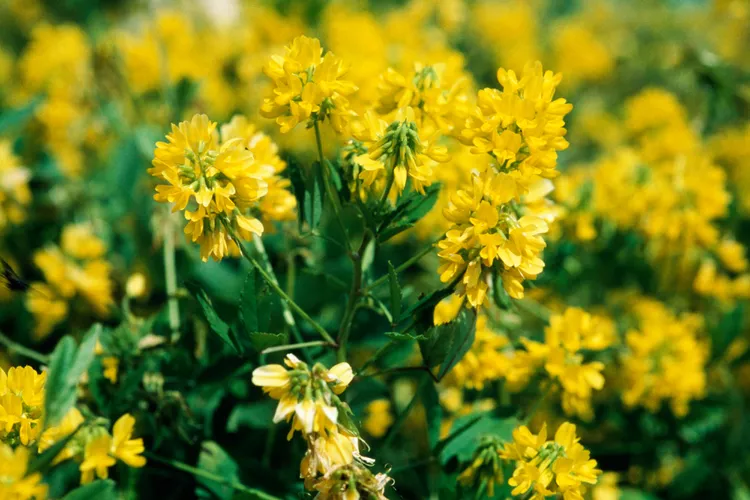
Long grown as a food source, spice, and medicinal herb, fenugreek is a relative of peanuts, beans, and other members of the legume family. Fenugreek is native to dry regions around the Mediterranean. Today, it's especially popular in India and is a major food ingredient in the region. In the U.S. this annual herb isn't common to gardens, but it deserves to be more widely grown for its tasty leaves and seeds, plus its pretty flowers.

Fenugreek Overview

Genus Name Trigonella foenum-graecum
Common Name Fenugreek
Plant Type Annual, Herb
Light Part Sun, Sun
Height null to 2 Feet
Width 3 to 6 Inches
Flower Color Purple, White, Yellow
Foliage Color Blue/Green
Propagation Seed

Where to Plant Fenugreek

Fenugreek prefers full sun to part shade, and well-draining soil for best growth and flower production. Like other legumes, fenugreek is a good candidate for crop rotation and will improve depleted garden soils. After the growing season has ended, till plants into the soil where they will continue adding nutrients as they break down.

How and When to Plant Fenugreek

Fenugreek does not transplant well. Because of this, sow seeds directly into the garden after the risk of frost has passed in spring, and the soil has warmed. Plant seeds about 1/4 inch deep and water well. Seedlings are quick to grow and should begin emerging within the first week after planting.

Care Tips for Fenugreek

Light

Fenugreek prefers full sun, but can tolerate some shading in hotter climates. For the best flower and pod production, give plants the most sunlight you can.

Soil and Water

Other than needing good drainage, fenugreek is not as picky as non-legumes about soil. Like its relatives, fenugreek can fix (add) nitrogen to the soil. In other words, degraded or otherwise, low-nutrient soils can be improved by growing fenugreek and tilling in the plants at the end of each growing season. 

Although plants should be watered regularly, too much water can lead to root rot and total dieback in plants. 

Temperature and Humidity

As natives of arid regions, these plants do best when grown in warm to hot and dry conditions. In cooler areas, planting up against the south side of a fence or other structure can help to increase ambient temperatures.

Fertilizer

Fertilizer is not necessary for all but seriously depleted soils. However, enriching the soil with compost or aged manure can help increase productivity and improve the soil for future plantings as well. 

Pruning

While pruning is not necessary, it may be helpful to pinch off the central growth points to encourage fuller, bushier plants. However, pruning should only be done early on or otherwise risk removing flowers. 

Pests and Problems

Fenugreek is rarely bothered by disease. Insect pests such as aphids are somewhat common, but will not typically kill plants and can be treated with a variety of organic pesticides such as insecticidal soap.

In water-logged soils, root rot is common and will destroy crops if soils are not amended prior to planting. The addition of sand and compost can help to improve soil drainage. Likewise, in areas with high humidity, powdery mildew can become bothersome and should be treated with an organic fungicide like neem oil or copper sprays.

How to Propagate Fenugreek

As an annual plant, propagation is done primarily through seeds. After pods have dried, harvest the seeds and store them in a cool, dark location until ready for sowing. Before planting the seeds, soak them overnight in a dish of water.
Frequently Asked Questions

  • Is fenugreek poisonous?

    While fenugreek is not poisonous in normal amounts, it should not be consumed by pregnant people and can cause allergic reactions in those with a sensitivity to legumes, particularly for someone with a known peanut allergy.

  • When can leaves be harvested?

    Fenugreek seeds, seedlings, and leaves are all edible. However, leaves are best used prior to flowering. As the plant blooms, the leaves become tough and less palatable.

  • Can fenugreek be grown in pots?

    Yes! Fenugreek plants are easy to grow in pots because of their shallow root systems. Provided with good lighting, plants can also be grown indoors, especially as sprouts and microgreens.

Sources
Better Homes & Gardens is committed to using high-quality, reputable sources—including peer-reviewed studies—to support the facts in our articles. Read about our editorial policies and standards to learn more about how we fact check our content for accuracy.
  1. "Fenugreek." Plant Village. Pennsylvania State University.

  2. "Fenugreek." Department of Agriculture, Cooperation and Farmers Welfare Ministry of Agriculture and Farmers Welfare Government of India.

  3. "Fenugreek." National Institutes of Health, National Center for Complementary and Integrative Health.

Related Article

How to Grow Persimmon Trees from Seed

How to Grow Persimmon Trees from Seed

Use these easy step-by-step instructions to grow a persimmon tree from a seed.
10 Best Blueberry Companion Plants That Thrive in Acidic Soil

10 Best Blueberry Companion Plants That Thrive in Acidic Soil

Use these blueberry companion plants to boost your berry harvest and naturally control blueberry pests.
How and When to Harvest Radishes at Their Peak

How and When to Harvest Radishes at Their Peak

These easy-to-follow tips will help you figure out how and when to harvest radishes for the best flavor and size. Plus, get troubleshooting advice if your radish roots aren't developing properly.
10 Best Vegetables for Raised Beds and Small Spaces

10 Best Vegetables for Raised Beds and Small Spaces

These easy-to-grow crops are the perfect vegetables for raised beds because they love loose, well-draining soil.
10 Best Broccoli Companion Plants

10 Best Broccoli Companion Plants

Using broccoli companion plants, including some vegetables, herbs, and flowers, can help repel pests and improve the quality of your harvest.
4 Expert Tips for When and How to Cut Tulips in Your Garden

4 Expert Tips for When and How to Cut Tulips in Your Garden

Find out when and how to cut tulips and the best way to care for them so they last as long as possible.
Best Tropical Flowers for Your Patio

Best Tropical Flowers for Your Patio

Outdoor tropical flowering plants can help add drama to your patio. You can leave them outdoors and treat them like annuals, or keep them over winter as houseplants.
6 Long-Blooming Perennials That Keep the Color Alive

6 Long-Blooming Perennials That Keep the Color Alive

Say hello to some of our favorite perennials—three for sun and three for shade—that flaunt their color for weeks (or even months).
Is Coleus a Perennial or Annual? Here's How to Grow It Both Ways

Is Coleus a Perennial or Annual? Here's How to Grow It Both Ways

Is coleus a perennial that comes back every year? That depends on where you live and how you care for it. Use these tips to enjoy coleus as a colorful perennial or annual plant.
How to Plant and Grow Oxalis

How to Plant and Grow Oxalis

Oxalis is a diverse genus comprising hundreds of species, including annuals, perennials, and tropical plants.
Are Zinnias Perennials or Annuals? And How to Grow Them

Are Zinnias Perennials or Annuals? And How to Grow Them

You may be hoping this favorite garden flower will come back next year. But are zinnias perennials? Find out how to enjoy these plants from year to year.
How to Plant and Grow Agapanthus

How to Plant and Grow Agapanthus

Agapanthus is a low-maintenance perennial and landscape staple that produces clusters of trumpet-shaped flowers.
Light Up a Shady Spot with This Easy-Care Summer Shade Garden Plan

Light Up a Shady Spot with This Easy-Care Summer Shade Garden Plan

Enjoy this easy-care, summer-blooming shade garden plan that combines hydrangeas, roses, lilacs, and more.
This Bold Shade Garden Plan Brims with Color and Texture

This Bold Shade Garden Plan Brims with Color and Texture

This bold shade garden plan contains gorgeous foliage and flowers that don't need a lot of sun.
This Drought-Tolerant Garden Plan Saves Water and Time

This Drought-Tolerant Garden Plan Saves Water and Time

This drought-tolerant garden plan won't require as much watering as thirstier plants. Use this design to create a beautiful garden that will thrive even through dry spells.
An Island Flower Bed That Looks Gorgeous from Every Angle

An Island Flower Bed That Looks Gorgeous from Every Angle

Add excitement to your landscape with a bed of low-maintenance perennials around a flowering tree.
A French Kitchen Garden Plan Filled with Fresh Flavors and Scents

A French Kitchen Garden Plan Filled with Fresh Flavors and Scents

Our French kitchen garden plan filled with fresh flavors and scents is inspired by old-world monastery gardens.
The Top Deck Colors for Summer 2024, According to Experts

The Top Deck Colors for Summer 2024, According to Experts

Freshen up your outdoor space with these trending deck colors, from cool-toned paints to rich, warm stains.
12 Chicken Coop Ideas for Your Backyard Hens

12 Chicken Coop Ideas for Your Backyard Hens

These chicken coop ideas will help keep your flock safely contained while serving as an attractive addition to your landscape.
Everything You Need to Know About Landscape Edging

Everything You Need to Know About Landscape Edging

Landscape edging supplies a crisp edge between different areas of your yard. Use this guide to select the best edging for your garden design.