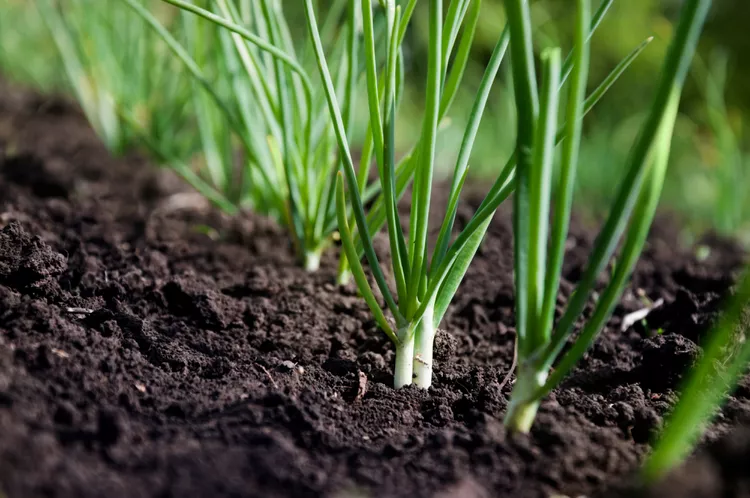
Green onions are a kitchen staple, used for flavoring and garnishing salads, sauces, soups, dips and many more dishes. Green onions, aka scallions, are non-bulb-producing onions (Allium fistulosum). These are the green onions most often found in grocery stores. They are prized for their mild onion flavor and tender, garden-fresh texture.
“Where it gets confusing,” says Clemson University vegetable specialist Gilbert Miller, “is the true bulbing onion (Allium cepa) can be harvested early, pre-bulb formation, and look like a scallion.”
Green onions (the non-bulb-producing kinds) are the focus of this guide. These plants are easy to grow and take up very little room as they develop. Here's what you need to know to enjoy a zesty harvest of green onions from your own garden.
Green Onions Overview
| Genus Name | Allium fistulosum |
| Common Name | Green Onions |
| Additional Common Names | Scallions, Bunching onions, Welsh onions, Japanese bunching onions |
| Plant Type | Vegetable |
| Light | Sun |
| Height | 1 to 2 feet |
| Width | 2 to 4 inches |
| Foliage Color | Blue/Green |
| Zones | 6, 7, 8, 9 |
| Propagation | Division, Seed |
Where to Plant Green Onions
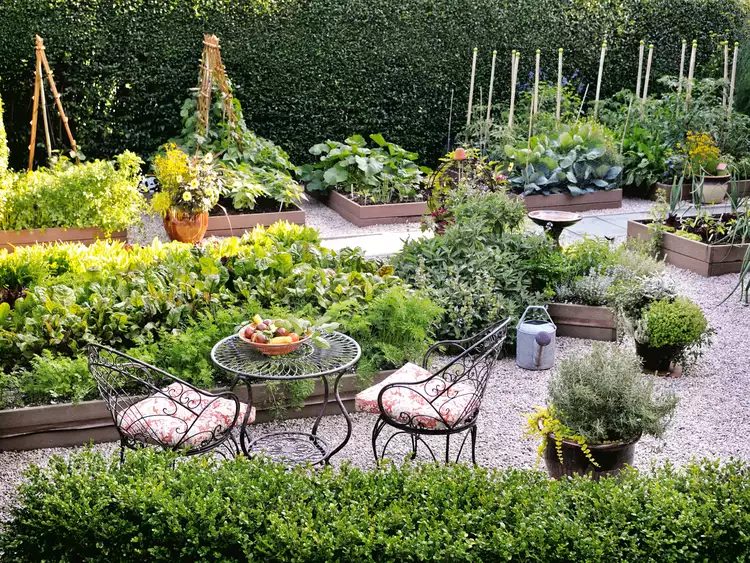
Plant green onions in a sunny site in fertile, neutral to slightly acidic, and well-drained soil. Because they don’t take up much space, they are easy to tuck into the corner of a raised bed or at the end of a row of another crop. They need good drainage, so raised beds are an excellent choice for growing green onions. They can also be grown in containers along with herbs or edible flowers.
Like other onions, green onions can be toxic to pets when eaten in large quantities.
How and When to Plant Green Onions
Plant green onions from seed outdoors in mid-spring, or start them indoors in early spring for transplanting into the garden in late spring. They grow rapidly and are ready for harvesting in about 60 to 90 days. They can be planted in spring for a summer harvest and again in mid-summer for a fall or winter harvest.
Be sure the bed is free of weeds before planting, and remove any weeds that show up while they are still small. Weeds compete for water and nutrients, and it is nearly impossible to pull up large weeds without disturbing young green onion plants.
Green Onion Care Tips
Green onions are among the easiest and most rewarding vegetables you can grow. They take minimal space and quickly produce a harvest.
Light
Green onions grow best in full sun (at least six hours daily) but tolerate a little shade, particularly in the afternoon.
Soil and Water
Green onions are not fussy about soils, although a fertile sandy loam is ideal, and they do best where the pH is neutral to slightly acidic (pH of 6.0 to 7.0). Excellent drainage is essential; too much moisture causes roots to rot. Incorporate compost into the soil before planting to a depth of about 6 inches to add nutrients to the soil and improve drainage. If you grow green onions in containers, the pots must have adequate drainage holes.
Green onions prefer steady moisture but don’t like soggy soil. Aim for an average of 1 inch of water per week. Adding a layer of mulch around the plants reduces moisture loss and inhibits weeds that compete for moisture.
Temperature and Humidity
Because they are cool-season crops, green onions grow best in spring and fall. Seeds germinate when soil temperatures are above 40°F, although the optimum temperature for germination is 75°F. Humidity is not a problem for green onions.
Fertilizer
Adding compost before planting provides a slow release of nutrients, but onions are heavy feeders, so side-dressing once a month with an organic fertilizer will stimulate the production of leaves. Watering with a soluble fertilizer such as fish emulsion each month is another option.
Potting and Repotting
Green onions can be grown in containers outside. Choose a 12-inch or deeper container with drainage holes and fill it with moist but well-draining potting soil. Sow seeds ¼ inch deep. After the seedlings have true leaves, add a layer of mulch to keep down weeds. Repotting isn't necessary.
Harvesting
To harvest green onions, wait until the shank is about as thick as a pencil—it should be about ¼ to ¾ inch in diameter, which is usually 60 to 90 days after seeding, depending on the cultivar and the weather conditions. Although fresh scallions will last in the refrigerator for about a week, there is no need to harvest ahead of time. Pull the entire plant—roots and all—trim the roots, wash the stems, and use them fresh. Alternatively, you can cut off a few leaves and leave the remaining roots to grow more leaves for later harvests.
You can harvest green onions year-round if you live where winters aren’t too harsh. In many regions, they are perennial, so if you leave their roots intact—just snip off the leaves when you need them—they will resprout with new leaves.
Pests and Problems
A few pests can cause problems for onion crops, including onion maggots, cutworms, and onion nematodes. If you notice a problem with the vigor of the green onions or if the leaves appear damaged, rotate the planting to a new area the following year. If slugs are eating your green onions, spread diatomaceous earth on either side of the row.
Plant diseases such as downy mildew, rust, and botrytis leaf blight are occasional problems, mainly when growing conditions are poor. Be sure your site gets plenty of sun and thin the onions to the recommended spacing to promote air circulation.
How to Propagate Green Onions
Seed: Green onions are usually grown from seed, which can be sown directly in the garden in spring when soil temperatures are above 40°F. If you prefer, start seeds indoors under grow lights eight to 10 weeks before the last expected frost date for transplanting to the garden in mid-spring.
Sow seeds thinly, about ¼ deep, and keep the soil evenly moist. When the seedlings are 1-2 inches tall, thin them to 2 inches apart. For a continuous harvest, sow throughout the summer every two to three weeks.
Division: If you grow your green onions as perennials, divide them in the spring after a full year’s growth. Dig up the entire clump and gently separate it into two to four smaller clumps, disturbing the roots as little as possible. Replant the clumps and water with a slow-release liquid fertilizer.
Types of Green Onions
‘Parade’
Allium fistulosum ‘Parade’ produces uniform, straight plants with bright white shanks, blue-green leaves, and a mild but zesty onion flavor. This crispy green onion tolerates light frost and part shade. It matures in 65-75 days.
‘White Spear’
Allium fistulosum ‘White Spear’ scallion is a vigorous, upright plant with no drooping. It is heat-tolerant but not as cold-tolerant as some other varieties. Wait until the temperature reaches 55°F to direct sow outdoors. It develops long white shanks and straight blue-green leaves. It matures in about 60 days.
‘Red Beard’
Allium fistulosum ‘Red Beard’ is a Japanese variety bunching onion. It is fast-growing with bright red shanks. It has a mild flavor that resembles that of leeks. It grows 24 inches tall and matures in approximately 60 days.
‘Evergreen Hardy White’
Allium fistulosum ‘Evergreen Hardy White’ is a cold-tolerant perennial variety that is highly resistant to freezing and can be left in the ground all winter. It needs only occasional division of clumps after it is established. Harvesting can begin after 65 days.
‘Fukagama’
Allium fistulosum ‘Fukagawa’ is a Japanese bunching onion prized for its mild, sweet flavor. Popular with Japanese cooks, this green onion is easy to grow and matures in 60-70 days.