Is Coleus a Perennial or Annual? Here's How to Grow It Both Ways

2025-08-09
Is Coleus a Perennial or Annual? Here's How to Grow It Both Ways

When growing coleus plants for their lovely foliage in containers and garden beds, you may be wondering if they come back each year or you'll need to replace them after the winter. So is coleus a perennial?

Technically, coleus plants can live for more than one year, but most gardeners grow them as annuals that die once freezing temperatures arrive. Growing a coleus as a perennial is easy, should you wish to keep a favorite variety around. Here's what you need to know to enjoy coleus as a perennial or annual plant.

What Are Coleus Plants?

Coleus is a genus of stunning foliage plants in the mint family. While coleus plants were initially grown as shade plants, breeders have been working to make them more versatile. Many new varieties developed over the past few years are content to grow in full sunshine, even in hot climates. 

Coleus varieties range in size from short 8-inch plants to 3-foot-tall giants bursting with colorful leaves. While they do flower, coleus plants are primarily grown for their foliage, which is brilliantly colored in reds, greens, purples, pinks, yellows, and whites. Breeders have been actively selecting to suppress the flowering trait because it isn’t often attractive, and it slows the growth of the much more spectacular leaves.

Is Coleus a Perennial?

You may find coleus listed as annuals in catalogs or on websites, which isn’t technically correct. While most gardeners grow them as annuals, tossing them in the compost heap at the end of the growing season, coleus is a perennial plant in the warmest climates. They’re hardy only in USDA Zones 10–11, areas that don't typically experience freezing temperatures. 

As with many garden plants we think of as annuals, such as petunias and geraniums, coleus plants can’t survive frost but have a life cycle lasting more than one year. Plants like this are known as tender perennials. True annuals complete their life cycle and die in one year, even if they reseed themselves in the same spot and appear to come back the next year.

Growing Coleus as a Perennial

Coleus will survive for multiple years if conditions are right. However, exposure to frost is the end of the line for a coleus. To grow them as perennials in USDA Zones 9 and colder, you must bring them inside for the winter.

Overwinter a container-grown coleus by bringing it indoors before cold weather hits in autumn. Treat it as a houseplant, providing bright but indirect light and keeping the soil slightly moist. If you don’t have a bright enough location in your home to overwinter a coleus plant, add a grow light. You won’t need to add fertilizer during winter, but you can trim the plant back if you like.

If the coleus is too large to bring inside, take cuttings in early fall and root them indoors. Plant the rooted cuttings in pots like houseplants until spring when you can plant them outside again.

Growing Coleus as an Annual

Coleus plants are more often grown as annuals and composted in fall. Coleus can be grown from seed, but all the gorgeous new varieties available at garden centers every spring make buying starter plants the way to go. New varieties are available every year. You could fill a garden bed with coleus and never repeat a color or leaf shape. 

To grow coleus as annuals, treat them as you would any other annual in you garden. Just be sure to check the tag for the variety you purchased to see if it tolerates full sun or does best in shade.

Coleus in containers.

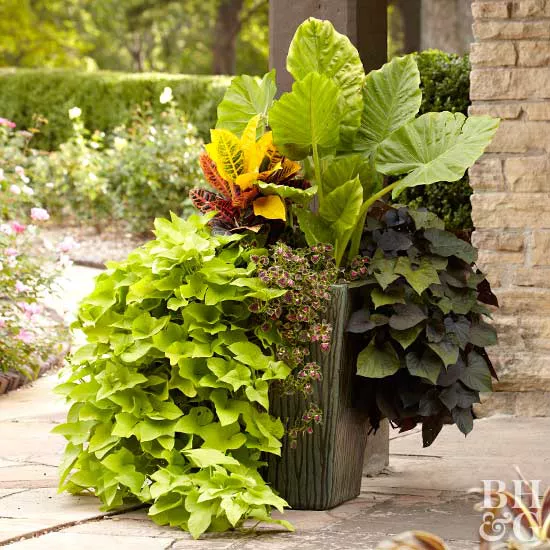
Coleus plants are spectacular fillers for large pots in the thriller-filler-spiller planting plan and can easily hold their own in a container by themselves. Give them adequate drainage, potting mix with compost, regular water, and a little fertilizer a few times throughout the summer. They'll reward you with a lush and colorful display.

Coleus in garden beds.

Don’t be afraid to plant coleus in the ground, too. Coleus plants in garden beds bring reds, purples, whites, lime greens, and other colors to shady beds, partially shaded borders, and sunny spots. Their wide range in size means they can serve in all roles, from short border edging to tall backdrops for other plants.


Frequently Asked Questions

  • Will deer eat coleus plants?

    In general, deer don’t eat coleus, or at least not much. It is mildly toxic and might leave a bad taste on their tongues. Of course, when nothing much is available, a hungry deer will eat just about anything, bad-tasting or not.

  • Should I pinch back my coleus plants?

    Pinching coleus plants encourages them to develop a compact and bushy shape with lots of foliage. Pinch back the stem tips with pruners or your fingers every few weeks to promote more branching.

  • What's the best way to propagate coleus?

    Coleus roots easily in water. Take a stem cutting about 4 to 6 inches long, remove the lower leaves, and place it in a jar of water. Change the water twice weekly. When new roots are about an inch or two long, transfer the new plant to a container of soil. Coleus grown from cuttings will look identical to the parent plant.

Related Article

How to Grow Persimmon Trees from Seed

How to Grow Persimmon Trees from Seed

Use these easy step-by-step instructions to grow a persimmon tree from a seed.
10 Best Blueberry Companion Plants That Thrive in Acidic Soil

10 Best Blueberry Companion Plants That Thrive in Acidic Soil

Use these blueberry companion plants to boost your berry harvest and naturally control blueberry pests.
How and When to Harvest Radishes at Their Peak

How and When to Harvest Radishes at Their Peak

These easy-to-follow tips will help you figure out how and when to harvest radishes for the best flavor and size. Plus, get troubleshooting advice if your radish roots aren't developing properly.
10 Best Vegetables for Raised Beds and Small Spaces

10 Best Vegetables for Raised Beds and Small Spaces

These easy-to-grow crops are the perfect vegetables for raised beds because they love loose, well-draining soil.
10 Best Broccoli Companion Plants

10 Best Broccoli Companion Plants

Using broccoli companion plants, including some vegetables, herbs, and flowers, can help repel pests and improve the quality of your harvest.
4 Expert Tips for When and How to Cut Tulips in Your Garden

4 Expert Tips for When and How to Cut Tulips in Your Garden

Find out when and how to cut tulips and the best way to care for them so they last as long as possible.
Best Tropical Flowers for Your Patio

Best Tropical Flowers for Your Patio

Outdoor tropical flowering plants can help add drama to your patio. You can leave them outdoors and treat them like annuals, or keep them over winter as houseplants.
6 Long-Blooming Perennials That Keep the Color Alive

6 Long-Blooming Perennials That Keep the Color Alive

Say hello to some of our favorite perennials—three for sun and three for shade—that flaunt their color for weeks (or even months).
Is Coleus a Perennial or Annual? Here's How to Grow It Both Ways

Is Coleus a Perennial or Annual? Here's How to Grow It Both Ways

Is coleus a perennial that comes back every year? That depends on where you live and how you care for it. Use these tips to enjoy coleus as a colorful perennial or annual plant.
How to Plant and Grow Oxalis

How to Plant and Grow Oxalis

Oxalis is a diverse genus comprising hundreds of species, including annuals, perennials, and tropical plants.
Are Zinnias Perennials or Annuals? And How to Grow Them

Are Zinnias Perennials or Annuals? And How to Grow Them

You may be hoping this favorite garden flower will come back next year. But are zinnias perennials? Find out how to enjoy these plants from year to year.
How to Plant and Grow Agapanthus

How to Plant and Grow Agapanthus

Agapanthus is a low-maintenance perennial and landscape staple that produces clusters of trumpet-shaped flowers.
Light Up a Shady Spot with This Easy-Care Summer Shade Garden Plan

Light Up a Shady Spot with This Easy-Care Summer Shade Garden Plan

Enjoy this easy-care, summer-blooming shade garden plan that combines hydrangeas, roses, lilacs, and more.
This Bold Shade Garden Plan Brims with Color and Texture

This Bold Shade Garden Plan Brims with Color and Texture

This bold shade garden plan contains gorgeous foliage and flowers that don't need a lot of sun.
This Drought-Tolerant Garden Plan Saves Water and Time

This Drought-Tolerant Garden Plan Saves Water and Time

This drought-tolerant garden plan won't require as much watering as thirstier plants. Use this design to create a beautiful garden that will thrive even through dry spells.
An Island Flower Bed That Looks Gorgeous from Every Angle

An Island Flower Bed That Looks Gorgeous from Every Angle

Add excitement to your landscape with a bed of low-maintenance perennials around a flowering tree.
A French Kitchen Garden Plan Filled with Fresh Flavors and Scents

A French Kitchen Garden Plan Filled with Fresh Flavors and Scents

Our French kitchen garden plan filled with fresh flavors and scents is inspired by old-world monastery gardens.
The Top Deck Colors for Summer 2024, According to Experts

The Top Deck Colors for Summer 2024, According to Experts

Freshen up your outdoor space with these trending deck colors, from cool-toned paints to rich, warm stains.
12 Chicken Coop Ideas for Your Backyard Hens

12 Chicken Coop Ideas for Your Backyard Hens

These chicken coop ideas will help keep your flock safely contained while serving as an attractive addition to your landscape.
Everything You Need to Know About Landscape Edging

Everything You Need to Know About Landscape Edging

Landscape edging supplies a crisp edge between different areas of your yard. Use this guide to select the best edging for your garden design.