Are Zinnias Perennials or Annuals? And How to Grow Them

2025-08-12
Are Zinnias Perennials or Annuals? And How to Grow Them

Are zinnias perennials that you don't need to replant next year? There are actually several species of these colorful flowers, all in the genus Zinnia, which includes both perennials and annuals. However, the most popular for gardens is the common or elegant zinnia (Zinnia elegans). It's the one that has been grown and hybridized extensively to give us hundreds of dazzling varieties to choose from. These plants are annuals, but there are a few perennial types of zinnias as well that are worth a spot in your garden.

What is an annual plant?

An annual plant is one that completes its life cycle within one year or growing season—going from seed germination through vegetative growth, reproduction (flowering), and seed drop before dying. 

Perennial Zinnias

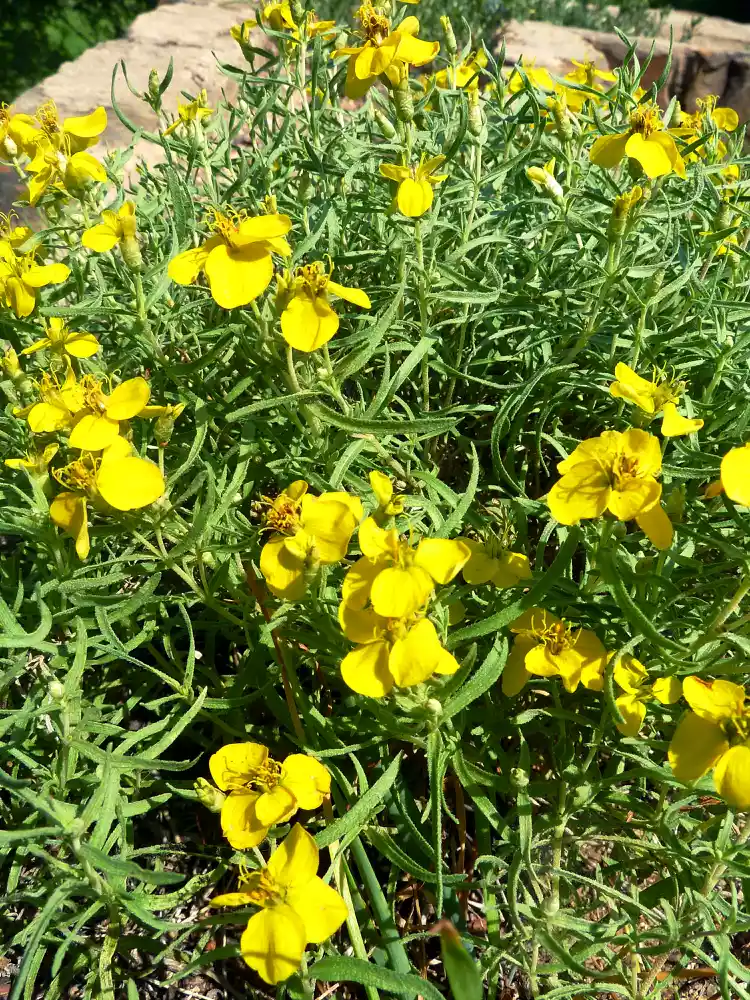
A few zinnias native to the American Southwest are perennials, the best-known one being Zinnia grandiflora, which goes by several common names such as plains zinnia or Rocky Mountain zinnia. This type of zinnia is hardy in USDA Zones 4-9 and doesn't look much like its popular annual cousin. Plains zinnia is a low-mounded plant with single flowers in pale yellow. It grows well in drier, rockier locations and can be an excellent choice for a rock garden or pathway border. You may be able to find perennial zinnia plants or seeds from a native plant vendor.

Growing Zinnias from Seeds

While annual zinnias won't last beyond your current growing season, they may reseed themselves if given a chance. Hybrid zinnias that self-seed won’t produce plants that are identical to the parent plants, but you’ll get new zinnias to enjoy anyway. In general, most gardeners just purchase and plant new seeds each spring rather than counting on self-seeding to be successful, especially if there are specific varieties they want to grow.

Zinnias are easy to grow from seeds, making them great flowers for new gardeners or children. Just plant the seeds in a spot with full sun—zinnias don’t mind the heat—and fertile, well-drained soil. They will also grow well in containers, especially shorter varieties.

When and How to Plant Zinnia Seeds

Zinnia seeds germinate quickly in warm soil. After your area's last frost date in spring, when soil temperatures have warmed up, plant zinnia seeds about ¼ inch deep. Zinnia seeds are thin and small, so don’t worry if two fall into the same hole. You can thin them later if needed. There is no “up” or “down,” so just let them drop in. Then, lightly cover with soil and gently but deeply water the area.

Zinnia plants can be spaced pretty close together. Larger varieties will need a bit more space: Try planting seeds 8-12 inches apart in rows that are 12 inches apart. Shorter types can be closer together since the plants won’t grow as large.

Keep new seedlings thriving by watering from below if you can, because zinnias are susceptible to spotting from water drops and leaf diseases like powdery mildew. It also helps to water in the morning when possible, so warming daytime temperatures help to dry off any splashed water quickly.

Growing Zinnia in Pots

Zinnias are adaptable flowers, so planting seeds in pots will work as well as planting seeds in the ground. Choose a pot that is 8-12 inches in diameter with drainage at the bottom. Place the seeds ¼-inch deep in the soil, and only water when the soil feels dry. These plants need 6-8 hours of sunlight per day, so place the pots in an area that receives enough light and is protected from the wind.
Frequently Asked Questions

  • Are zinnia flowers cut and come again?

    Absolutely! Harvesting regularly and deadheading any spent blossoms will encourage more blooming. Cut as long a stem as possible without taking all the remaining branches, nodes, and leaves.

  • Are zinnias deer-resistant?

    Many gardeners report that their zinnias are quite deer-resistant and are often left alone. Of course, no plant is entirely immune to deer, especially when they are seedlings (nice tender shoots).

  • How long do zinnia flowers last in a vase?

    Properly harvested and cared for zinnias will last 7-10 days. For the best vase life, harvest zinnias in the morning after the dew has evaporated or in the evening once the temperature cools from the day’s heat. Add flower food to the vase and change the water every other day. 

  • How tall do zinnias get?

    There are smaller varieties of zinnias that grow 6-12 inches tall. However, larger varieties can grow up to 4 feet tall and 1-2 feet wide.

  • What is the best month to plant zinnia seeds?

    Planting seeds in April or May is ideal. Zinnias dislike the cold, so you don't want to plant them until the weather has started to warm up.

  • Can you scatter zinnia seeds when planting?

    Although spacing seeds will give your garden a more orderly apperance, it isn't strictly necessary. You can scatter zinnia seeds in your garden and they should grow. Just keep in mind, they could choke out other flowers if planted too close together.

Article "tagged" as:

Related Article

How to Grow Persimmon Trees from Seed

How to Grow Persimmon Trees from Seed

Use these easy step-by-step instructions to grow a persimmon tree from a seed.
10 Best Blueberry Companion Plants That Thrive in Acidic Soil

10 Best Blueberry Companion Plants That Thrive in Acidic Soil

Use these blueberry companion plants to boost your berry harvest and naturally control blueberry pests.
How and When to Harvest Radishes at Their Peak

How and When to Harvest Radishes at Their Peak

These easy-to-follow tips will help you figure out how and when to harvest radishes for the best flavor and size. Plus, get troubleshooting advice if your radish roots aren't developing properly.
10 Best Vegetables for Raised Beds and Small Spaces

10 Best Vegetables for Raised Beds and Small Spaces

These easy-to-grow crops are the perfect vegetables for raised beds because they love loose, well-draining soil.
10 Best Broccoli Companion Plants

10 Best Broccoli Companion Plants

Using broccoli companion plants, including some vegetables, herbs, and flowers, can help repel pests and improve the quality of your harvest.
4 Expert Tips for When and How to Cut Tulips in Your Garden

4 Expert Tips for When and How to Cut Tulips in Your Garden

Find out when and how to cut tulips and the best way to care for them so they last as long as possible.
Best Tropical Flowers for Your Patio

Best Tropical Flowers for Your Patio

Outdoor tropical flowering plants can help add drama to your patio. You can leave them outdoors and treat them like annuals, or keep them over winter as houseplants.
6 Long-Blooming Perennials That Keep the Color Alive

6 Long-Blooming Perennials That Keep the Color Alive

Say hello to some of our favorite perennials—three for sun and three for shade—that flaunt their color for weeks (or even months).
Is Coleus a Perennial or Annual? Here's How to Grow It Both Ways

Is Coleus a Perennial or Annual? Here's How to Grow It Both Ways

Is coleus a perennial that comes back every year? That depends on where you live and how you care for it. Use these tips to enjoy coleus as a colorful perennial or annual plant.
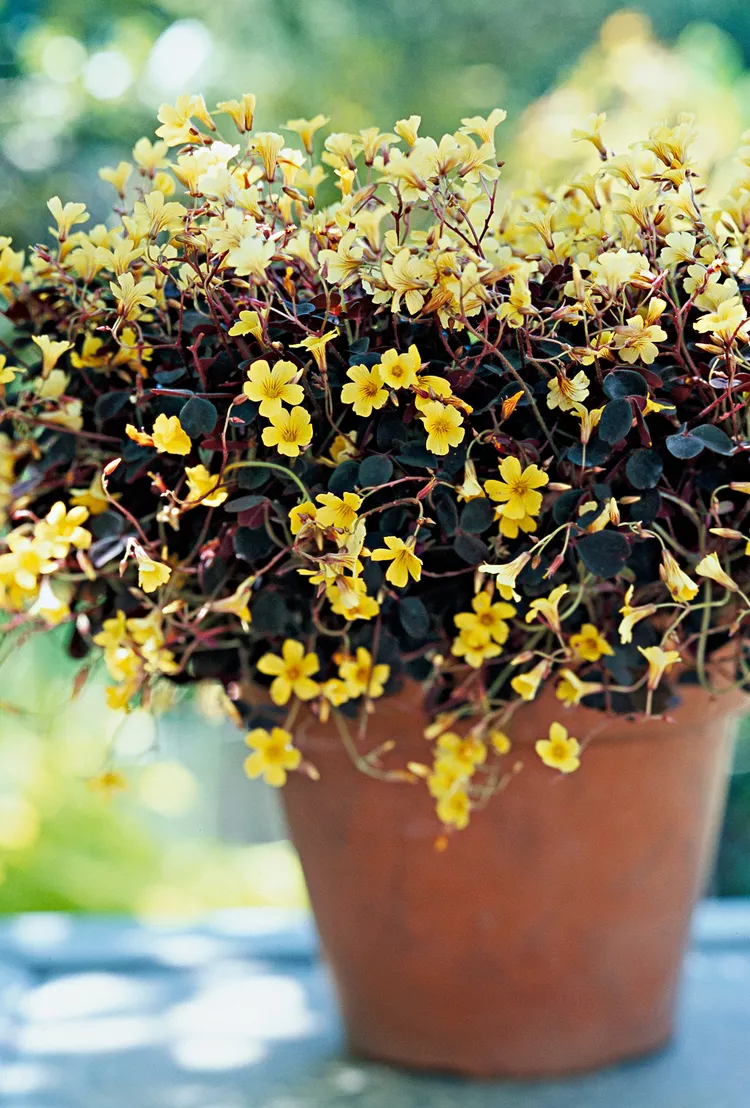
How to Plant and Grow Oxalis

How to Plant and Grow Oxalis

Oxalis is a diverse genus comprising hundreds of species, including annuals, perennials, and tropical plants.
Are Zinnias Perennials or Annuals? And How to Grow Them

Are Zinnias Perennials or Annuals? And How to Grow Them

You may be hoping this favorite garden flower will come back next year. But are zinnias perennials? Find out how to enjoy these plants from year to year.
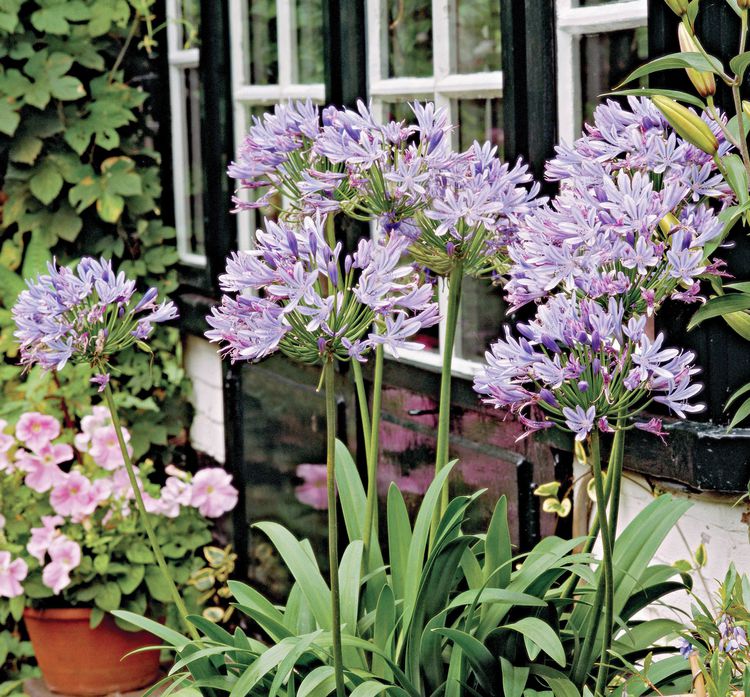
How to Plant and Grow Agapanthus

How to Plant and Grow Agapanthus

Agapanthus is a low-maintenance perennial and landscape staple that produces clusters of trumpet-shaped flowers.
Light Up a Shady Spot with This Easy-Care Summer Shade Garden Plan

Light Up a Shady Spot with This Easy-Care Summer Shade Garden Plan

Enjoy this easy-care, summer-blooming shade garden plan that combines hydrangeas, roses, lilacs, and more.
This Bold Shade Garden Plan Brims with Color and Texture

This Bold Shade Garden Plan Brims with Color and Texture

This bold shade garden plan contains gorgeous foliage and flowers that don't need a lot of sun.
This Drought-Tolerant Garden Plan Saves Water and Time

This Drought-Tolerant Garden Plan Saves Water and Time

This drought-tolerant garden plan won't require as much watering as thirstier plants. Use this design to create a beautiful garden that will thrive even through dry spells.
An Island Flower Bed That Looks Gorgeous from Every Angle

An Island Flower Bed That Looks Gorgeous from Every Angle

Add excitement to your landscape with a bed of low-maintenance perennials around a flowering tree.
A French Kitchen Garden Plan Filled with Fresh Flavors and Scents

A French Kitchen Garden Plan Filled with Fresh Flavors and Scents

Our French kitchen garden plan filled with fresh flavors and scents is inspired by old-world monastery gardens.
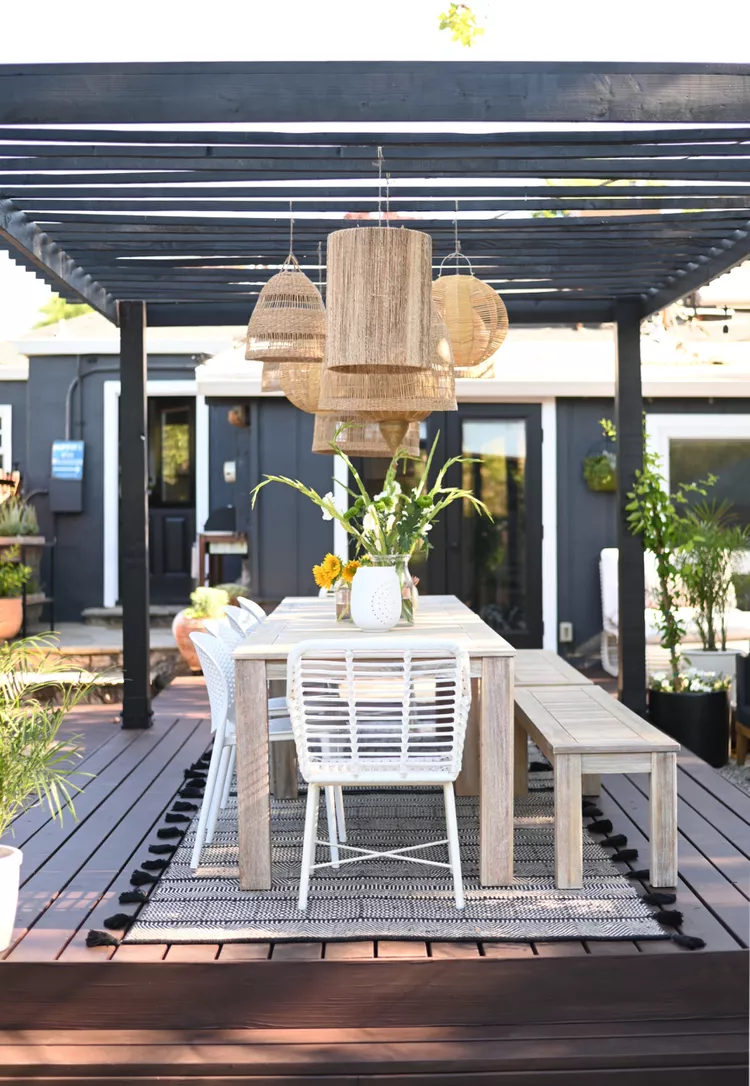
The Top Deck Colors for Summer 2024, According to Experts

The Top Deck Colors for Summer 2024, According to Experts

Freshen up your outdoor space with these trending deck colors, from cool-toned paints to rich, warm stains.
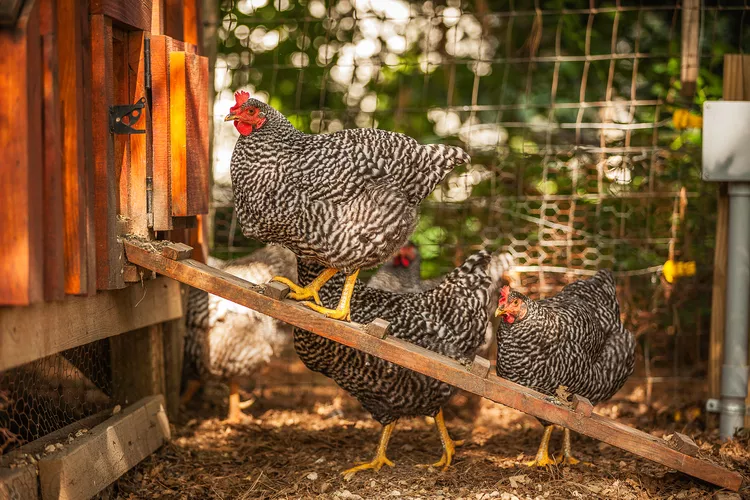
12 Chicken Coop Ideas for Your Backyard Hens

12 Chicken Coop Ideas for Your Backyard Hens

These chicken coop ideas will help keep your flock safely contained while serving as an attractive addition to your landscape.
Everything You Need to Know About Landscape Edging

Everything You Need to Know About Landscape Edging

Landscape edging supplies a crisp edge between different areas of your yard. Use this guide to select the best edging for your garden design.