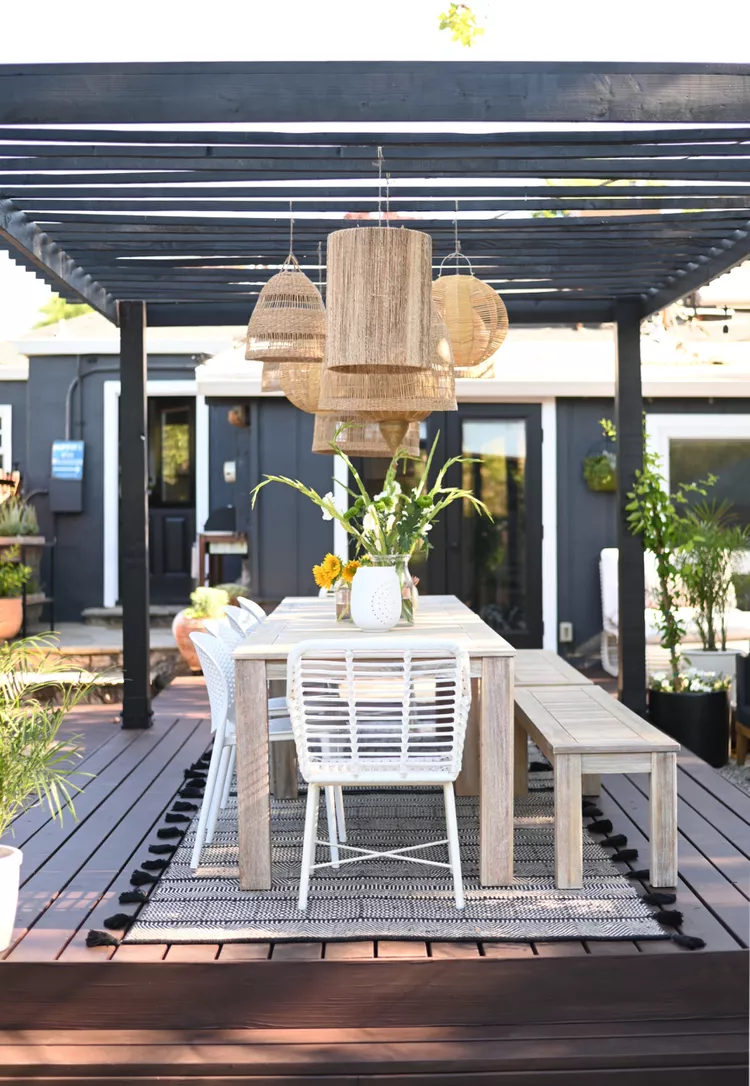
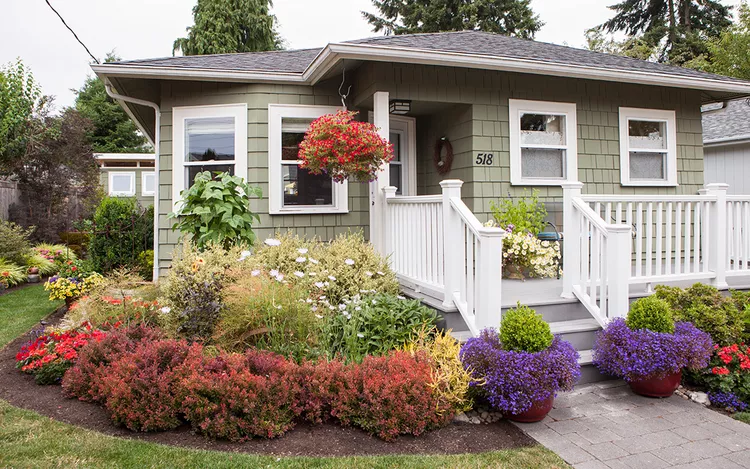
No matter what your reason is for wanting a fresh look for your yard—you've just bought your first house, moved to a new location, or you're tired of the way it looks—the first step is to redoing your outdoor space is landscape planning. Creating your plan can seem daunting at first, but it's just a matter of thinking about how you want to use your space and then figuring out how to add beauty and utility to your design.
You should plan your landscape even if you want to hire a pro to do the work. If you're doing the project yourself, even more reason to spend time carefully laying out how you want your yard to look. Start by imagining your dream yard, collect images of the types of gardens you're drawn to, then sketch a landscape plan of your dreams (you can always scale back to fit your budget). Once you have a good idea of how your landscaping will work best for your needs, including patio space, a garden, trees, shrubbery, and hardscape, you'll be ready to get to work.
Landscape Planning with Layout Goals
Think of landscape planning and a layout as a trouble-shooting and problem-solving process that will make your life easier. Just as you would with a kitchen remodel, begin with a list of the qualities you want. Priorities could include adding privacy screening, dealing with an eroding slope, creating beautiful views from inside the house, starting a new vegetable garden, building a storage shed, or making your entryway and front walk more welcoming. At this stage of landscape planning, go wild. It costs nothing to dream, and you can always execute your plan in stages as time and budget allow.
Landscape Planning Evaluation
Before physically adding your dream elements, take a notebook to your yard for landscape planning to evaluate what you like and don't. Walk around the perimeter of your property as if you were a stranger, objectively viewing the space. This site analysis will become your roadmap for change.
Determine Assets
Make two lists of your best assets: one for the house and one for the yard. Notice what's behind overgrown shrubs or vines. You may have hidden treasures (an attractive set of stairs, a brick patio, a lovely view) just waiting to be noticed. Concentrate on details like steps, paving patterns, views toward and away from each area, and the locations of doors.
Identify Liabilities
Landscape planning includes finding your yard's liabilities. Maybe there's an unattractive property or garage next door you'd like to screen out. Maybe one of your home's more attractive features (a side entry to the kitchen, for example) lacks landscaping. Then, think about how to turn that liability into an asset. The blank entry area may be the perfect location for a kitchen garden, a patio for entertaining, or a spot for the grill.
Understand Your Environment
Note the topography, showing which locations are sloped, sunny, or shaded (don't forget to note sun and wind patterns). The southern or southeastern face of your house provides warming rays in winter and sun all day in summer. In regions where you can spend time outside year-round, these are perfect locations for sitting areas since they're protected from harsh northwestern winds. However, these spots might be too bright and hot in summer to be comfortable.
Landscape Planning Features
Once you understand how you'd like to change your landscape, you can decide what to add. Consider these items for your landscape planning:
- Steps: Timber-and-brick; concrete; stone
- Paths: Brick; concrete pavers; crushed stone; loose-fill; flagstone
- Structures: Pergola; arched arbor; square arbor; triangular arbor; lattice arbor and fence; picket fence and gate; arched gateway; screened seating area
- Walls: Stone; timber
- Decks: Wraparound, geometric
- Patios: Brick; tile; stone
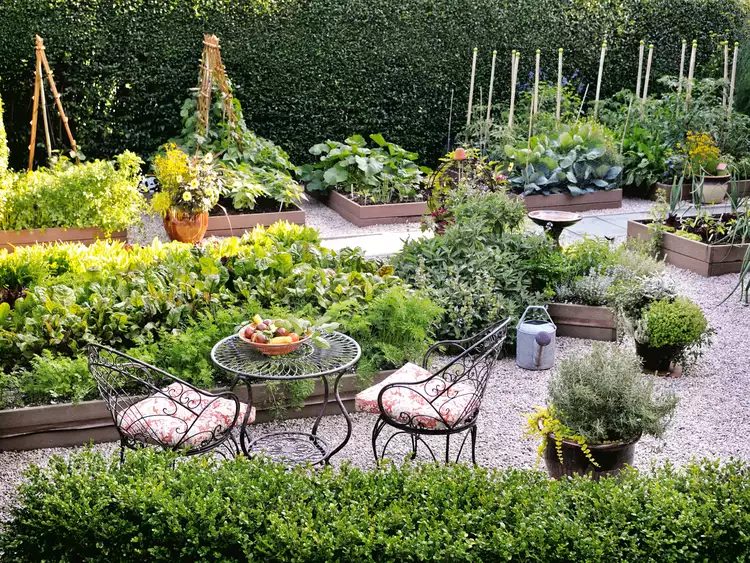
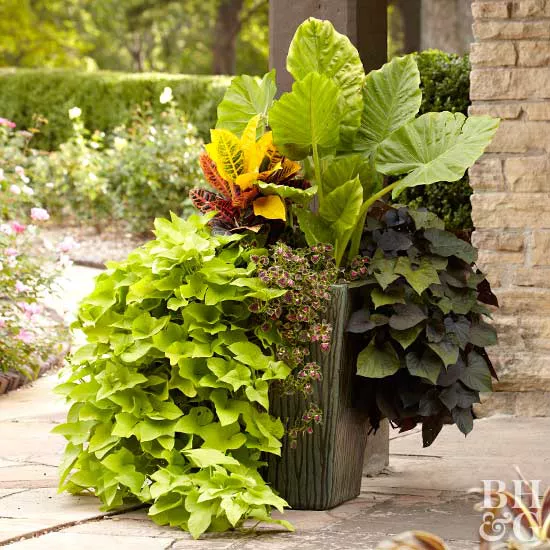
- Other elements: Window box; planter; tree-surround bench; outdoor lighting; ponds and waterfalls; children's play area; garden shed; potting bench; raised beds; compost bins; rain garden
How to Create a Base Map for Landscape Planning
A base map involves adding sketches to your notes so you can see what's there and generate new ideas for the best options. It's a low-cost way to explore possibilities and prevent costly mistakes. You can create a base map for your landscape layout on paper or your computer with an online program or downloadable application. Either way, it's important to have a visual representation of your landscape planning.
Your base map should show your house's exterior dimensions and your property's perimeter lines. For a head start on these dimensions, use the plot plan (a survey or plat) you received when you bought your home. Many city or county assessors also provide these online.
On the base map, sketch existing features that aren't going to change, such as the property line, the trees and shrubs you plan to keep, walkways, walls, outbuildings, fences, and patios. Note the locations of doors, windows, the air-conditioner, utilities, and other services, including septic systems.
When you finish a base plan, make several copies. If you're using paper, place tracing paper on top to make landscape planning additions and subtractions without ruining the original. Then, you can start playing with the layout.
Finalize the Landscape Planning Design Concept
On your base map, draw circular or blobby areas (bubble diagrams) to represent the ways you want to use different parts of your yard. Your bubbles don't have to be round—draw them in various configurations and shapes as needed, but remember to label each one with its intended use. Don't worry about cost; right now, this is a brainstorming activity. And if some of your ideas initially seem odd or unattainable, keep them for now because they'll all eventually help you hone in on the right decisions for your space.
Your bubbles might include screening the view of the neighbor's yard, pathways, new flowerbeds, a patio, and a location for the kids' swing set. Bubbles also may show where you'd like to plant trees and shrubs or where you'd like them removed.
When you've placed your bubbles in the best spots, make a clean, new final drawing. This is your design concept, and it should include every decision you've made. Each bubble represents one project or phase of your landscape planning.
By referring to the design concept each time you begin one of the projects, your vision will remain cohesive, and the final results will reflect well-thought-out landscape planning.